Home › Guides › When to replace
When to replace tires: at 2/32 inch, or after 6 to 10 years
NHTSA TireWise says tires are not safe and should be replaced when the tread is worn down to 2/32 of an inch. Separately, NHTSA says some vehicle and tire manufacturers recommend replacing tires that are six to 10 years old regardless of tread. Those are two different clocks.
Last updated: November 20, 2026
The tread clock
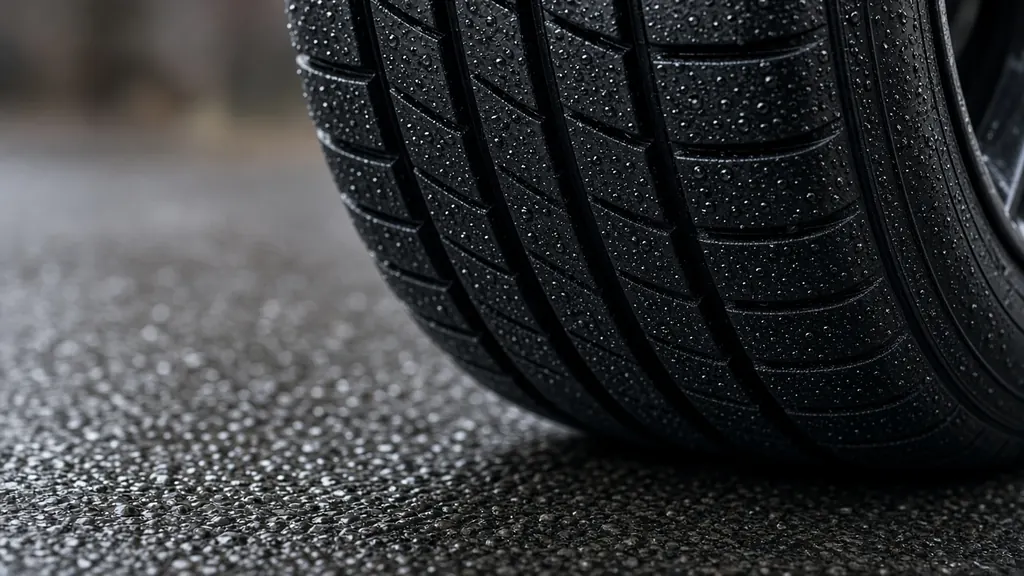
NHTSA TireWise says tread is what keeps the tire from slipping, especially on ice or a wet road, and that you should check it at least once a month when you check pressure. Tires have built in treadwear indicators, raised sections between the tread ribs. When the tread is worn level with the indicator, replace the tire. The penny check on the same page: place a penny in the tread with Lincoln's head upside down and facing you. If you can see the top of Lincoln's head, replace the tires.
The USTMA Tire Care and Safety Guide says the same depth in shop language: replace the tire when 2/32 inch remains anywhere on the tread face. Wear bars look like narrow strips of smooth rubber across the tread, and they sit flush with the tread at 2/32 inch. If you keep driving, loss of traction in bad weather is more likely. Our tread depth guide covers gauges and why a coin is only a backup.
NHTSA winter driving tips repeats the 2/32 inch floor and adds the winter reason to look early: uneven wear across the tread means the tires need rotation, alignment, or both. Snow and ice are a bad time to discover the indicators are flush.
The age clock
NHTSA TireWise says you cannot see tire aging just by looking. Rubber and the other materials change with service, storage, and the environment. Most people wear the tread out first. Aging matters more if the car sits: a recreational vehicle, a collector car, a vehicle with low annual miles, or a full size spare that almost never turns. Sunlight, a warm climate, poor storage, and poor maintenance all add to it. NHTSA says tire aging is a greater concern in the more southern parts of the Sun Belt.
Some vehicle and tire manufacturers recommend replacing tires at six to 10 years old no matter how much tread is left. The last four digits of the DOT tire identification number are the week and the year. NHTSA's own example: 0308 means the third week of 2008. The number may be on only one side, so check both. The steps are on our DOT date code page, and the decoder is at the DOT date tool.
NHTSA also says not to use the spare as a replacement for worn tires. A full size spare, if the car has one, is for emergencies such as a flat. Spares age because they are rarely replaced.
Damage, and why the count is not abstract
Stop using a tire for damage even when tread and age look fine. NHTSA TireWise names cuts, cracks, bulges, and irregular wear from underinflation or overloading. A bulge in the sidewall is a reason to get off the road, not a candidate for repair. See sidewall bulges and sidewall cracks. A puncture only counts as repairable inside the limits on our puncture page.
In 2024, NHTSA reports, 511 people died in tire related crashes. That figure is tire related crashes, not a claim that every one of them was a worn tread. It is why the monthly look exists. NHTSA also says you should notice a change in how the car behaves: a tire that will not hold pressure, or new noise or vibration, is a reason to see a tire service professional.
Replacing two, or four
The USTMA Tire Care and Safety Guide prefers all four at once. If you replace two, match size, construction, load index, and speed rating, and put the newer tires on the rear. If you replace one, pair it with the deepest remaining tread and put that pair on the rear. The guide says a single new tire can affect suspension, gear ratios, the transmission, and tread wear. On an all wheel drive car, read mixing tires before you buy one tire to match three worn ones. A new tire and a worn tire of the same printed size are not the same diameter.
Frequently asked questions
At what tread depth does NHTSA say to replace a tire?
When the tread is worn down to 2/32 of an inch. The built in indicators sit level with the tread at that point. On the penny check, if you can see the top of Lincoln's head, replace the tires.
Do I have to replace tires that still have tread?
Sometimes. NHTSA says some vehicle and tire manufacturers recommend replacement at six to 10 years old regardless of tread. You cannot see that age. Read the last four digits of the DOT code.
Can I mount the spare in place of a worn tire?
NHTSA says no, except in an emergency such as a flat. Spare tires age because they are rarely replaced. Do not treat a spare as a way to postpone a new set.
Should I replace all four, or just the worn pair?
USTMA prefers all four. If you replace two, put the newer pair on the rear. If you replace one, pair it with the deepest remaining tread and put both on the rear. An all wheel drive car may need a stricter match. Read the owner's manual.
Sources
We paraphrase public references and link them so you can read the full wording. Pages dated in the list were opened 20 November 2026. We did not test any tire for this page.
- NHTSA TireWise: replace at 2/32 of an inch, treadwear indicators, the penny check, monthly tread checks, aging and the six to 10 year manufacturer guidance, spare tires, damage signs, 511 deaths in tire related crashes in 2024 (read 20 November 2026)
- NHTSA winter driving tips: keep at least 2/32 inch of tread; uneven wear means rotation or alignment (read 20 November 2026)
- USTMA Tire Care and Safety Guide: replace at 2/32 inch anywhere on the tread face; wear bars; replace all four when you can; rear axle rule for two tires or one (read 20 November 2026)
- Image policy: how the AI generated photo is labeled