Home › Fitment › All season, winter, summer
All season vs winter vs summer: winter tires win in deep snow
NHTSA TireWise sorts the choice by the weather you actually drive in. All season tires handle a variety of roads and have some mud and snow capability. Winter tires are more effective than all season tires in deep snow. Summer tires are warm weather tires, and they are not designed to operate below freezing or on snow and ice.
Last updated: November 20, 2026
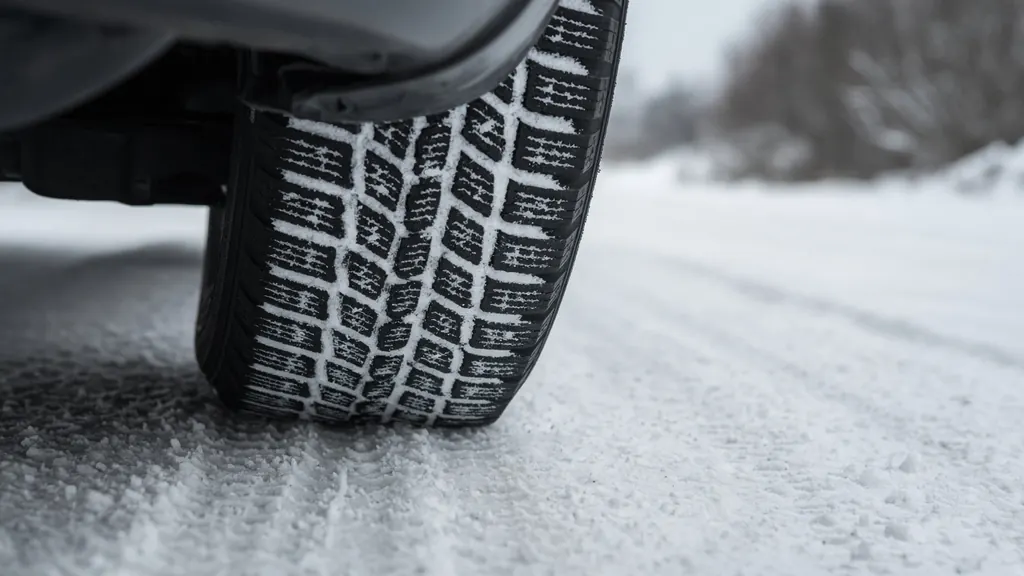
The NHTSA split, in one place
That three way split is the whole decision for most cars, and it is narrower than the marketing. "Some mud and snow capability" is what NHTSA grants all season tires. It does not say they match a winter tire in deep snow. The winter page, NHTSA winter driving tips, tells drivers to consider snow tires and then sends them to the tire safety ratings. It also says to keep at least 2/32 inch of tread and to set pressure from the door label, because pressure falls when the temperature falls.
There is a fourth name people shop for, all weather. Those tires are the ones that carry the three peak mountain snowflake, which is a packed snow test, not a new name for all season. The difference is on our all weather vs all season page. If you want one set and you do see snow, start there rather than assuming an all season tire is enough.
All season
This is the one set compromise for temperate driving: dry, wet, and light winter use, with the mud and snow capability NHTSA describes and no claim of deep snow equality. Confirm the size on the placard checklist before you compare models. If the winter where you live is more than a few storms, do not stop the comparison here.
Winter
Choose these when deep snow or ice is a normal part of the season, and plan on a second set for the warm months. The USTMA Tire Care and Safety Guide says that if winter tires go on the front axle they must also go on the rear, and that this applies to front wheel drive, four wheel drive, and all wheel drive. Do not put a winter pair on the drive axle and leave all season tires on the other axle. When the off season set comes off, store it as in our seasonal storage guide. Studs, the ice grip symbol, and the snowflake are different marks. The symbols and the storage calendar are in the winter tire guide.
Summer
NHTSA's line is the one to remember: not below freezing, and not on snow or ice. A summer tire can be the right tire where winter never arrives, and a poor one the week the temperature crosses freezing. If the car is a performance car that left the factory on summer tires, the cold limit does not go away because the car is quick. See which tire for a sports car.
Side by side
| Category | What NHTSA says it is for | What to watch |
|---|---|---|
| All season | A variety of roads, with some mud and snow capability | Not described as equal to winter tires in deep snow |
| Winter | More effective than all season tires in deep snow | USTMA wants them on all four, including the rear, and you store them in summer |
| Summer | Warm weather | Not designed below freezing or on snow and ice |
All terrain is a different category. NHTSA TireWise says it is used mainly on four wheel drive vehicles as a compromise between the road and off road. It is not a stand in for a winter tire. If that is the vehicle, use which tire for a Jeep style 4x4.
Frequently asked questions
Are all season tires winter tires?
No. NHTSA says all season tires have some mud and snow capability, and that winter tires are more effective in deep snow. They are not the same category.
Can I drive summer tires in snow or below freezing?
NHTSA says summer tires are not designed to operate in temperatures below freezing, or on snow and ice.
Can I put winter tires on the front only?
No. USTMA says if winter tires are applied to the front axle they must also be installed on the rear. That includes front wheel drive, four wheel drive, and all wheel drive.
Is an all weather tire an all season tire?
Not in the way the snowflake is used. All weather tires carry the three peak mountain snowflake from a packed snow test. The comparison is on our all weather vs all season page.
Sources
We paraphrase public references and link them so you can read the full wording. Pages dated in the list were opened 20 November 2026. We did not test any tire for this page.
- NHTSA TireWise: all season, winter, summer, and all terrain descriptions, including winter tires more effective in deep snow and summer tires not for below freezing or for snow and ice (read 20 November 2026)
- NHTSA winter driving tips: consider snow tires, keep at least 2/32 inch of tread, pressure falls with temperature, use the door label (read 20 November 2026)
- USTMA Tire Care and Safety Guide: winter tires on the front axle require winter tires on the rear, including four wheel drive and all wheel drive (read 20 November 2026)
- Image policy: how the AI generated photo is labeled